By Celeste Riddle
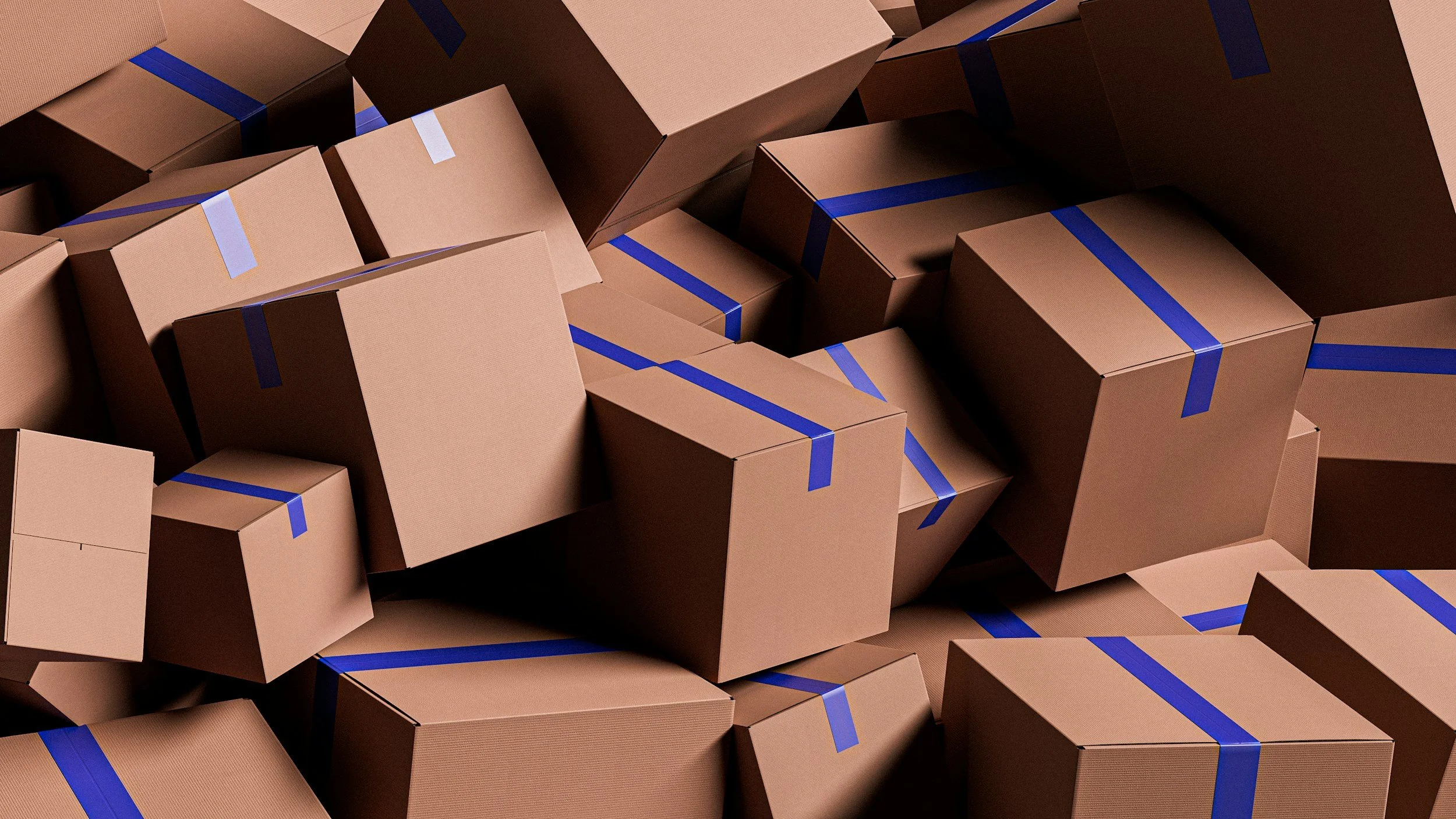
A swell in e-commerce sales post-pandemic has created never-before-seen demand for cardboard packaging—packaging which has been a crucial, if often overlooked, link in the nation’s supply chain. Boxes are piling up in homes across the country due to the recent explosive growth in e-commerce. That’s left the corrugated packaging industry dependent on consumers to recycle the products in order to support its financial and environmental needs. Corrugated box shipments grew 9% in March 2020 despite a brief dip in revenue when the pandemic’s initial shock froze up the supply chain. But shipments were soon boosted by retailers’ overstocking of food, cleaning supplies, and toilet paper amid panic buying in the early stages of the pandemic. Shipments continued to climb, peaking in October 2020 and box makers were on pace to end out the year with record production to meet the year’s skyrocketing demand. Georgia-Pacific, one of the world’s largest manufacturers of pulp and paper products, was running its mills at full capacity. The CEO reports that they had to buy from smaller producers to keep pace. WestRock Company produces one out of every five cardboard boxes in the U.S. They manufacture corrugated packaging, paperboard, and containerboard. Box demand typically peaks in September, then tapers off through the end of the year as merchandise arrives in stores. But in 2020, between June and October, box shipments met 34 billion square feet—an industry record—each month! Demand swelled as retailers and shoppers alike adapted to the pandemic.
On the flip side of this growth is the environmental impact. Cardboard is more biodegradable than plastic packaging, but its production is linked to deforestation and heavy chemical use by paperboard mills. Ensuring most of those boxes don’t end up in landfills needs to start at the beginning of their life cycles. Global consumption of paper and paper products goes through 15 billion trees each year, according to the Environmental Paper Network. The industry relies on recycling virgin fiber--the basis of cardboard boxes—five to seven times, saving trees and improving the bottom line. How the “circular economy” works: fibers produced in the paper mills are sent to production facilities which make and ship boxes to clients, such as Amazon and Domino’s. The boxes that make their way to WestRock’s 18 recycling plants are turned into fibers again to begin the process all over again. WestRock works with private landowners to ensure the fibers it uses come from sustainably managed forests. They also work with nonprofits to expand community recycling and to educate and make curbside programs more efficient.
It was common several years ago for an Amazon order to arrive in a huge cardboard box with several smaller cardboard boxes inside, wrapped in plastic air bubbles. Now box-sizer machines are being used to right-size the package and reduce waste. This reduces the amount of fiber the box requires and the amount of fill product since bubble wrap and similar fillings are hard to recycle. Smaller packages mean postal/delivery workers can fit more packages on trucks, reducing carbon emissions and saving time. Amazon relies on proprietary artificial intelligence to calculate the best fit for orders which may mean using an envelope rather than a box.
With the transition to more cardboard boxes showing up on doorsteps rather than in stores, the industry is relying on more consumers to keep up with recycling. More paper by weight is recovered for recycling from municipal waste streams than glass, plastic, steel, and aluminum combined! It’s a good thing to remember that the box on your doorstep is designed to be recycled. Today, that box typically includes about 50% recycled fibers! Please do your part to recycle all of the cardboard boxes coming your way. It’s one small way to save our Planet!